Wellness Retreats – National
Published:
Affordable All-Inclusive Wellness Retreats in the US: What to Expect & How to Compare Options

Table of Contents
The cost of a wellness retreat can feel like a barrier. Many programs advertise premium pricing, making it seem like meaningful reset experiences are out of reach. But affordable all-inclusive wellness retreats are available across the US — and affordable does not automatically mean low quality.
The appeal of an all-inclusive format is simple: clear pricing and fewer surprises. Accommodation, meals, and core programming are bundled together, making budgeting easier. For many travelers, this structure offers better cost control than paying separately for lodging, classes, and add-ons.
The key is knowing how to evaluate value. Not every low-priced retreat offers depth, and not every higher-priced option delivers stronger programming. This guide explains what “all-inclusive” really covers, how to compare packages, and what to expect if you’re searching for a retreat under $1,000.
Explore affordable wellness retreats across the US on Holisteek.
Core Programming
This usually includes:
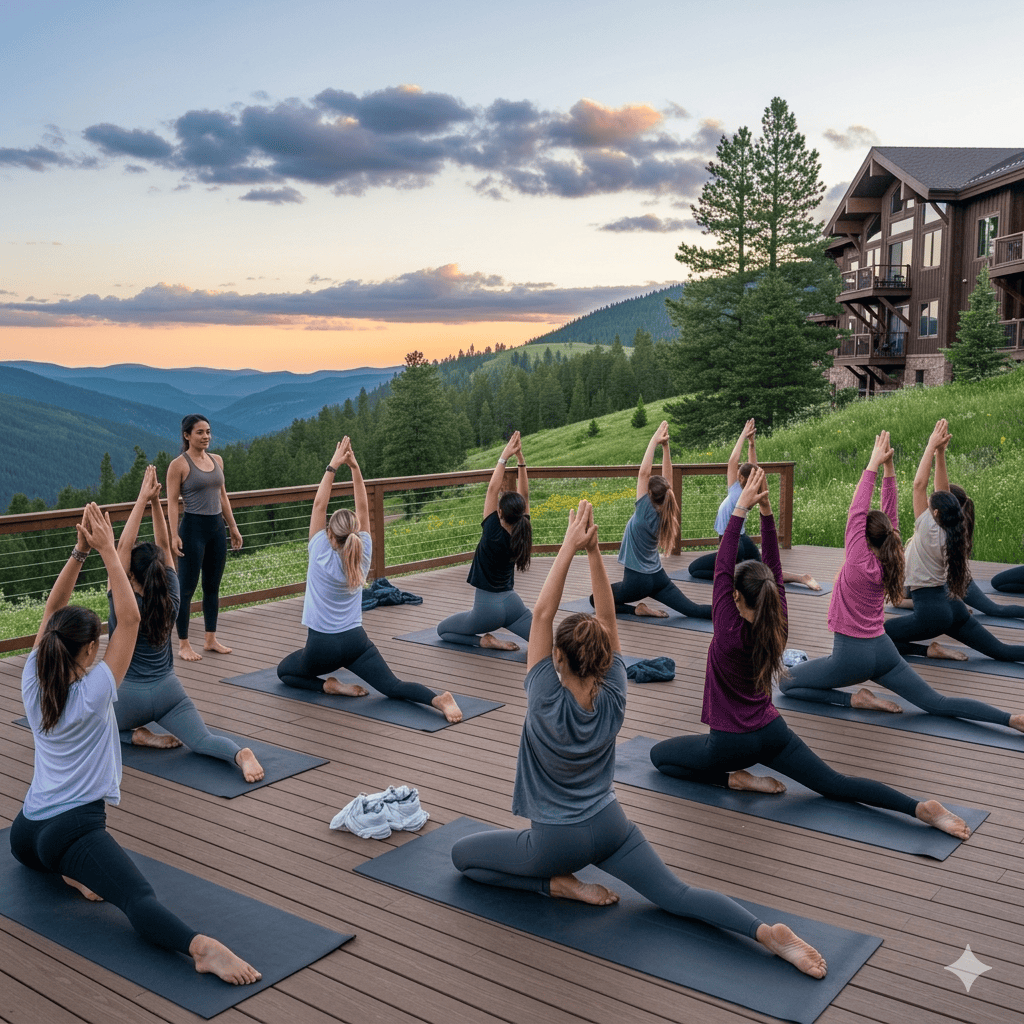
- Daily yoga or fitness sessions
- Meditation or mindfulness classes
- Group workshops
- Educational sessions
The schedule should clearly outline how many sessions are included per day.
What Does “All-Inclusive” Mean in a Wellness Retreat?
The term “all-inclusive” is widely used, but definitions vary. When reviewing wellness retreat packages, it’s important to look beyond the label.
In most US retreats, all-inclusive typically covers:
Accommodation
Lodging is included for the full duration of the retreat. This may range from shared rooms in smaller retreat centers to private rooms in resort-style settings.
Meals
Most all-inclusive formats include daily meals — often breakfast, lunch, and dinner. Some retreats offer plant-based menus by default, while others provide omnivore options with dietary customization.
Spa or Wellness Facility Access
In a spa retreat all inclusive format, basic access to spa amenities (sauna, steam room, pools) may be included. However, individual treatments like massages or facials are often priced separately.
What Is Often Not Included
Even among all inclusive wellness retreats in the US, certain items are commonly excluded:
- Airport transfers
- Private coaching sessions
- Specialty treatments
- Alcoholic beverages
- Gratuities
- Travel costs
Before booking, request a full breakdown of inclusions. Transparency is a strong indicator of operational quality.
If it’s labeled all-inclusive, the details should be specific. When reviewing retreat listings, focus on what is explicitly detailed. Clear structure, defined schedules, and transparent pricing are what make an affordable retreat truly manageable.
What Makes a Wellness Retreat Truly Affordable?
Experienced retreat operators design pricing around accommodation type, staff ratios, and session volume — not just marketing positioning.
Price alone does not determine affordability. A lower headline rate doesn’t automatically make a retreat a strong financial decision. When comparing affordable all-inclusive wellness retreats, focus on total value — not just the advertised cost.
Here’s how to evaluate real affordability.
Total Cost vs. Nightly Cost
Many budget wellness retreats promote a low nightly rate. Instead of focusing only on the per-night figure, calculate:
- Total program cost
- Number of nights
- Number of included sessions
- Meals covered
A $900 weekend retreat may cost more per day than a $1,400 five-day program with more structure and inclusions. Always compare full-package value.
Inclusions Per Dollar
Review what you receive for the price.
Ask:
- How many daily sessions are included?
- Are workshops educational or experiential only?
- Are spa facilities included or extra?
Some programs labeled as cheap wellness retreats in USA keep the base price low but charge for key components separately. That reduces overall value.
Strong affordable wellness vacations provide clear, bundled structure without excessive add-ons.
Travel Costs
Location impacts total spending.
Even if the retreat price is reasonable, consider:
- Airfare
- Ground transportation
- Rental car requirements
- Seasonal pricing differences
A lower-cost retreat in a remote destination may end up costing more once travel is included.
Duration and Depth
Longer retreats often deliver better cost efficiency per session.
Compare:
- 2–3 day formats
- 5–7 day immersions
- Number of structured hours
Short retreats can be effective, but extended programs may offer more sessions for a comparable overall investment.
Accommodation Type
Shared rooms significantly reduce cost. Many budget wellness retreats offer:
- Shared lodging
- Smaller retreat centers
- Fewer luxury amenities
This does not mean lower quality — it simply reflects different priorities. If your goal is structured programming over resort comfort, shared formats can offer strong value.
Affordability comes down to alignment. When price, inclusions, and structure match your goals, the retreat becomes a smart investment.
Can You Really Find a Wellness Retreat Under $1,000?
Yes — but expectations need to match the format.
Searching for a wellness retreat under $1000 is realistic in the US market, especially for shorter stays and shared accommodations. These programs typically focus on structured basics rather than luxury amenities.
Here’s what makes sub-$1,000 retreats possible.
Compare affordable all-inclusive wellness retreats by price range and duration on Holisteek to see what fits your budget.
Example retreat:
Elevation Central in Mt. Juliet, Tennessee, offers yoga- and meditation-focused retreats with structured group sessions. Pricing is typically around $1,000 depending on program length, positioning it within the mid-range immersive category.
Weekend Formats (2–3 Nights)
Most retreats priced under $1,000 are short-format experiences.
Common structure:
- Friday arrival, Sunday departure
- 2–3 yoga or movement sessions per day
- Group meditation or workshops
- All meals included
These are often marketed as weekend wellness retreat deals and can be strong options for a quick reset without extended time off work.
Shared Accommodations
Room type significantly impacts price.
Retreat centers offering:
- Shared rooms
- Dorm-style lodging
- Simple private cabins
are more likely to stay below the $1,000 threshold.
Private rooms at resort-style properties typically push pricing higher.
Yoga-Centric Programming
A low cost yoga retreat is one of the most common sub-$1,000 formats.
Why? Yoga-focused retreats:
- Require minimal equipment
- Operate in smaller retreat centers
- Emphasize group sessions over individualized treatments
They often prioritize daily practice, meditation, and basic workshops rather than spa services.
Smaller, Independent Retreat Centers
Large luxury wellness resorts rarely fall below the $1,000 mark. However, smaller independent centers can offer:
- Focused programming
- Intimate group sizes
- Simple accommodations
- Strong instructor-led formats
These retreats often deliver solid structure without resort-level overhead costs.
Example retreat:
Center for Integrative Wellness in Pacifica, California, offers practitioner-led programs focused on sound healing, meditation, and energy work. The format is smaller-scale and workshop-oriented rather than resort-style, making it suitable for budget-conscious travelers seeking structured programming.
What You Likely Won’t Get
At this price range, expect limited:
- Spa treatments included
- Private coaching
- Premium resort amenities
- High-end luxury accommodations
The focus is typically on programming, not luxury.
If your priority is structured sessions, clear daily schedules, and a supportive group environment, a retreat under $1,000 can provide strong value.
The key is clarity: review the schedule, confirm inclusions, and ensure the program aligns with your goals before booking.
Comparing Low-Cost Yoga & Spa Retreats
Not all affordable all-inclusive wellness retreats offer the same focus. At lower price points, most programs fall into one of three categories: yoga-centric, spa-focused, or hybrid wellness formats.
Understanding the differences helps you choose based on goals — not just price.
Low-Cost Yoga Retreats
A low cost yoga retreat typically centers on daily movement and mindfulness practice.
Common structure:
- 2 yoga sessions per day
- Morning meditation
- Group workshops
- Shared accommodations
- Plant-forward meals
These retreats prioritize structured practice over amenities. They often operate in smaller retreat centers and emphasize community.
Best for:
- Participants focused on movement and routine
- Travelers comfortable with shared lodging
- Those seeking skill development rather than luxury
Yoga-based formats usually offer strong programming depth at a lower overall cost.
Example retreat:
Spiritflow Sedona offers structured private and small-group retreats in Arizona, with pricing generally ranging from $777–$999 depending on duration. Programming often includes meditation, breathwork, sound therapy, and guided vortex experiences.
Spa-Focused All-Inclusive Retreats
A spa retreat all inclusive format shifts the emphasis toward relaxation and physical recovery.
Expect:
- Access to sauna, steam, or hydrotherapy
- Gentle movement classes
- Optional add-on treatments
- Resort-style environment
At lower price tiers, spa services may not be unlimited. Often, basic facility access is included, while massages and specialty treatments are additional.
Best for:
- Stress reduction
- Physical rest
- Short reset experiences
Spa-focused retreats typically deliver comfort, but may offer fewer structured workshops.
Example retreat:
Amara Resort and Spa in Sedona, Arizona, combines resort lodging with spa amenities and wellness programming. Nightly rates typically range from $250–$700 depending on season, with spa treatments priced separately. This format prioritizes comfort and relaxation within a structured setting.
Hybrid Wellness Programs
Some all inclusive wellness retreats in the US combine yoga, fitness, spa access, and educational sessions into one schedule.
These hybrid formats may include:
- Daily movement
- Nutrition workshops
- Mindfulness training
- Limited spa access
They offer more variety than single-focus retreats but may not go as deep in one specific area.
Best for:
- First-time retreat participants
- Travelers seeking balance between activity and relaxation
- Those comparing multiple wellness goals
When comparing low-cost retreats, review the daily schedule first. A strong retreat — regardless of format — clearly outlines how time is structured.
Wellness Essentials
Discover products to enhance your wellness journey
Price tells you part of the story. Programming focus tells you the rest.
Weekend Wellness Retreat Deals vs Longer Immersions
Duration significantly impacts value. When comparing affordable all-inclusive wellness retreats, it’s important to understand how short formats differ from longer programs — not just in price, but in depth.
Here’s how they typically compare.
2–3 Day Weekend Retreats
Weekend wellness retreat deals are designed for accessibility. They require minimal time off work and lower upfront investment.
Typical structure:
- Friday evening arrival
- Full-day programming Saturday
- Half-day Sunday departure
Benefits:
- Lower total cost
- Quick reset
- Easier scheduling
- Less travel planning
Limitations:
- Limited time for habit-building
- Less depth in workshops
- Faster pace
Weekend formats are effective for stress relief and short-term reset, but may not provide long-term behavioral integration.
Example retreat:
Rockaway Retreat House in Queens, New York, hosts intimate wellness events and weekend-format programs near the Atlantic coast. Its small-scale setting supports short immersive experiences for participants seeking accessible regional retreats.
5–7 Day Immersions
Longer retreats allow for more structured programming and gradual progression.
Expect:
- Multiple daily sessions
- Education + experiential components
- More rest built into the schedule
- Greater group cohesion
Although the total price is higher, cost per session often decreases compared to short stays. For travelers evaluating a wellness retreat under 1000, extended programs may exceed that range but deliver stronger overall value.
Benefits:
- Deeper learning
- Stronger habit formation
- More sustainable takeaways
Longer formats also allow the body and nervous system more time to adjust, particularly in yoga- or recovery-focused retreats.
Cost Efficiency Comparison
When comparing durations, review:
- Total program hours
- Sessions included per day
- Instructor interaction time
- Included meals
A $900 weekend retreat may provide 6–8 structured sessions. A $1,500 five-day retreat may offer 15–20 sessions. The longer format often delivers better value per structured hour.
If your goal is a quick reset, weekend formats can be effective. If you want measurable progress and structured depth, longer immersions typically provide stronger return on investment.
How to Evaluate “Best Value” Retreats
Price alone does not determine value. The strongest best value wellness retreats combine clear structure, experienced leadership, and transparent pricing — even at lower tiers.
Here’s how to evaluate whether a retreat truly delivers value for the cost.
Instructor Credentials
Review who is leading the retreat.
Look for:
- Relevant certifications
- Years of teaching experience
- Clear methodology
- Defined areas of expertise
Low price does not mean low quality, but lack of transparent credentials can signal weaker programming.
Depth of the Daily Schedule
Examine the schedule closely.
Ask:
- How many structured sessions per day?
- Is there educational content or only movement?
- Is there intentional progression across days?
Strong affordable all-inclusive wellness retreats provide defined structure — not vague activity blocks.
Group Size
Smaller groups often increase value.
Benefits of smaller groups:
- More instructor interaction
- Personalized feedback
- Better schedule flexibility
Large groups may reduce cost but also limit individual attention.
Meal Quality
Nutrition is part of the experience.
Confirm:
- Number of meals included
- Dietary flexibility
- Ingredient quality
- On-site preparation vs catered delivery
Some budget wellness retreats cut costs through simplified meal planning. That’s not necessarily negative, but expectations should align.
Hidden Costs
Before booking, verify:
- Spa treatments included or extra
- Equipment rental fees
- Service charges
- Gratuities
- Transportation
Programs labeled as all inclusive wellness retreats in US should clearly outline exclusions.
Cancellation Policy
Transparent policies indicate operational stability.
Review:
- Refund timelines
- Transfer options
- Deposit structure
For retreats booked months in advance, flexibility matters.
A retreat becomes “best value” when cost, structure, leadership, and inclusions align with your priorities. Compare consistently, and focus on measurable elements rather than marketing language.
Where Affordable Wellness Retreats Are Most Common in the US
Pricing varies by region. Some states consistently offer more affordable all-inclusive wellness retreats due to lower operating costs, retreat density, or seasonal flexibility.
Below are US regions where budget-friendly inventory is more common. Availability shifts by season and demand.
Arizona
Arizona supports a strong wellness market with a wide range of retreat formats.
Why pricing can be competitive:
- Large number of retreat centers
- Desert-based properties with lower seasonal rates (summer)
- Strong yoga and mindfulness communities
Shoulder-season pricing (late spring and summer) often reduces rates significantly compared to peak winter demand.
Colorado
Colorado offers mountain-based retreats that range from premium to moderately priced.
More affordable options are typically:
- Smaller retreat centers
- Yoga-focused programs
- Shared accommodations
Winter ski-season locations may carry higher costs, while off-season months can provide better value.
Texas
Texas has growing retreat inventory, particularly in rural and Hill Country regions.
Cost advantages often include:
- Lower property overhead
- Short travel distances for regional participants
- Weekend-format programs
Texas-based retreats frequently offer competitive pricing compared to coastal resort markets.
Certain Florida Regions
Florida is known for resort-style wellness, but pricing varies widely.
More affordable inventory is often found:
- Outside major luxury hubs
- In smaller coastal towns
- During off-peak months
Short-format weekend wellness retreat deals are common in Florida due to strong in-state demand.
Seasonal and Inventory Disclaimer
Destination pricing is based on general market trends and may vary depending on season, retreat format, and availability. High-demand months (January–April in warm climates) typically carry higher rates.
When comparing locations, factor in:
- Travel costs
- Climate preferences
- Peak vs off-peak pricing
- Accommodation style
Location directly impacts total cost.
Explore Affordable All-Inclusive Wellness Retreats in the US
Once you understand pricing structures, inclusions, and format differences, comparison becomes straightforward.
Instead of relying on broad searches for “cheap wellness retreats USA,” use filters to narrow options by:
- Total budget
- Duration (weekend vs 5–7 days)
- Accommodation type (shared vs private)
- Program focus (yoga, spa, hybrid)
- Location
Affordable does not mean limited. Many affordable all-inclusive wellness retreats provide structured programming, quality instruction, and clear daily schedules — without luxury overhead.
If your goal is a retreat under $1,000, focus on:
- Weekend formats
- Shared lodging
- Yoga-centric programs
- Smaller retreat centers
If you’re looking for stronger immersion with higher session volume, compare total cost per structured day rather than headline price alone.
Browse affordable all-inclusive wellness retreats on Holisteek. Use comparison tools to identify programs that align with your goals and budget for 2026.
Start with clarity. Then choose the retreat that fits.
FAQs
Are affordable wellness retreats worth it?
Yes — if expectations match the format. Many affordable all-inclusive wellness retreats offer strong programming, experienced instructors, and clear structure. Lower pricing often reflects shared accommodations, fewer luxury amenities, or shorter durations — not necessarily lower quality.
Value depends on alignment between your goals and what the retreat provides.
What is usually included in an all-inclusive retreat?
Most wellness retreat packages include:
- Accommodation
- Daily meals
- Core programming (yoga, workshops, meditation)
- Access to shared facilities
In a spa retreat all inclusive format, facility access may be included, while individual treatments are often additional.
Always review the detailed inclusion list before booking.
Can I find a retreat under $1,000?
Yes. Searching for a wellness retreat under $1000 is realistic in the US market, particularly for:
- 2–3 day weekend formats
- Shared accommodations
- Yoga-focused retreats
- Smaller independent centers
Private rooms and luxury properties typically exceed this range.
Are meals included in budget wellness retreats?
Most budget wellness retreats include daily meals, though menu variety and customization may differ from higher-end resorts.
Confirm:
- Number of meals per day
- Dietary accommodations
- On-site vs catered food
Meal structure is a key part of overall value.
Do affordable retreats sacrifice quality?
Not necessarily. Many best value wellness retreats maintain strong instructor credentials and structured schedules while keeping costs manageable through simpler accommodations or smaller facilities.
Quality is reflected in:
- Clear daily programming
- Instructor experience
- Transparent pricing
- Defined cancellation policies
Price alone does not determine retreat effectiveness.

Romina Ricca
Yoga and Meditation Teacher Certified in Dynamic Yoga, Therapeutic Yoga, and Surya Vinyasa, with deep expertise in Meditation and Mindfulness practices. Founder and Director of Ser Presente. I help individuals integrate mindfulness and breathwork into their daily routines, focusing on reducing stress, enhancing focus, and alleviating anxiety.