

Published:
How to Choose the Best Meditation Cushion for Comfort and Posture
best meditation cushion
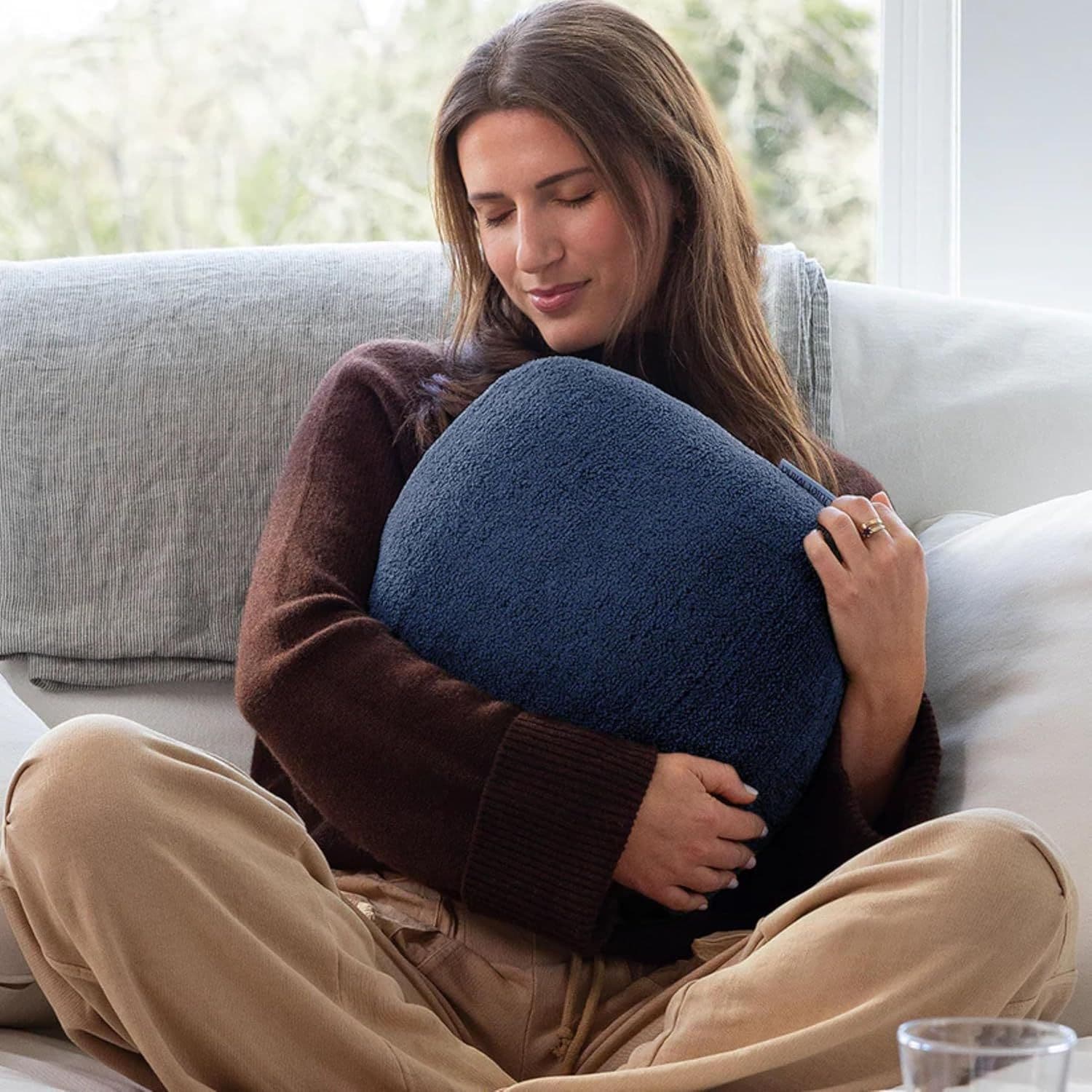
Table of Contents
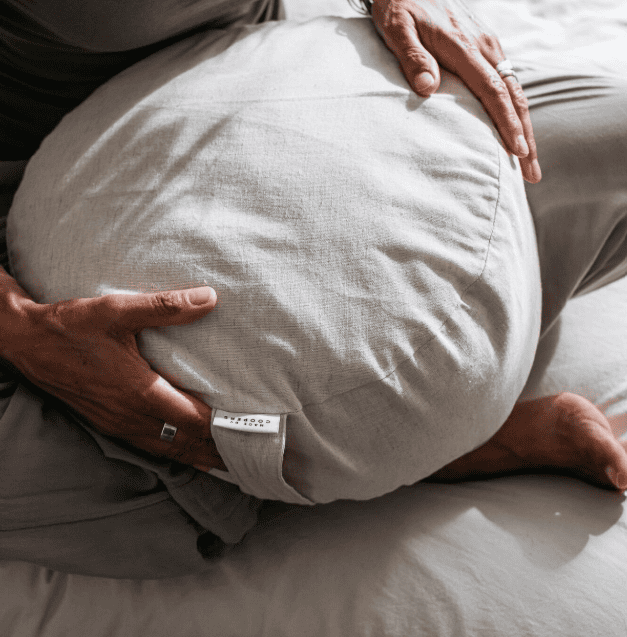
Sitting still is harder than it sounds — and for most people, discomfort is what ends a meditation session before the mind ever settles. The right meditation cushion changes that. By lifting the hips above the knees and supporting the natural curve of the spine, a good cushion reduces the physical strain that turns a 20-minute sit into a fidgeting exercise. Whether you're just starting out or you've been practicing for years, the right meditation cushion — sometimes called a meditation pillow — makes a real difference in how long you can sit, how well you breathe, and how easily focus comes. This guide covers what to look for in the best meditation cushion, compares the most practical options by type and filling, and recommends four picks to help you find the right fit for your body and your practice.
What Is a Meditation Cushion?
A meditation cushion is a firm, supportive cushion designed to elevate the hips while sitting on the floor, making it easier to maintain an upright posture for extended periods. Unlike a regular pillow or folded blanket, a meditation cushion — also called a meditation pillow — is built specifically for seated practice: dense enough to hold its shape under body weight, and shaped to encourage the pelvis to tilt slightly forward so the spine can stack naturally. The two most common types are the zafu, a round cushion placed under the seat, and the zabuton, a flat mat that cushions the knees and ankles. Many practitioners use both.
Benefits of Using a Meditation Cushion
The right support changes the mechanics of how you sit — and that changes everything else:
- Better posture: when your hips sit higher than your knees, the pelvis tilts naturally forward — your spine stacks without you having to hold it there
- Less discomfort: cross-legged sitting puts pressure on the outer knees and hip joints. A cushion redistributes that load so the position becomes sustainable
- Longer sessions: most people can't sit still because they're fighting their body. Remove the physical friction and the mental work gets easier
- Better breathing: an upright spine opens the chest. When the diaphragm can move freely, breath deepens — and focus follows
How to Choose the Best Meditation Cushion
No single cushion works for every body or every practice. These are the factors worth weighing before you buy.
Shape: Zafu vs Rectangular vs Ergonomic
The shape determines which sitting positions the cushion supports:
- Zafu (round): most traditional, suits cross-legged and lotus positions
- Crescent zafu: wider base, better for practitioners with tighter hips
- Rectangular: flatter platform, works well for kneeling positions
- Ergonomic/wedge: accommodates multiple sitting styles and body types
If you're new to floor sitting — whether for meditation or yoga — a zafu meditation cushion is the most practical starting point for most people.
Filling: Buckwheat vs Foam
Filling determines support quality and how long the cushion holds its shape:
- Buckwheat hull: conforms to the body, maintains loft over years of use, adjustable via zippered liner — the better choice for daily practice
- Foam: lighter and softer, good for beginners or occasional use, but compresses over time and offers less postural support long-term
Height, Fabric, and Portability
Three practical factors to check before buying:
- Height: aim for 5–7 inches — hips should sit slightly above the knees
- Fabric: tightly woven natural cotton or hemp, removable and washable cover
- Portability: foam cushions and compact zafus travel better; zabuton mats are larger by design
Best Meditation Cushions for Comfort and Posture
Each of these options was selected for a specific reason — shape, filling, design, or use case. Here's what makes each one worth considering and who it suits best.
Here are four options worth considering, each selected for a different use case.
Cushions:
- Shape: Round zafu
- Fill: Buckwheat
- Best For: Daily practitioners, long sessions
- Shape: Round zafu
- Fill: Buckwheat
- Best For: Traditional practice, consistent routine
- Shape: Flat ma
- Fill: Buckwheat
- Best For: Knee/ankle protection, longer sits
4. Quiet Mind
- Shape: Ergonomic round
- Fill: Foam
- Best For: Beginners, home practice, travel
Cosmic Cushion – Meditation Cushion
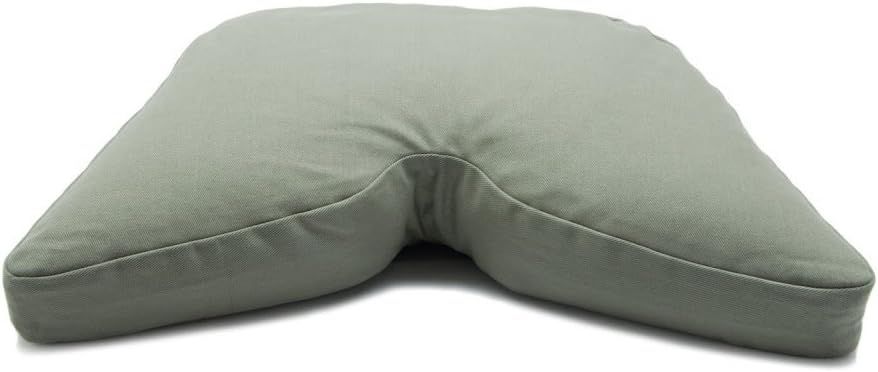
The Cosmic Cushion is a round zafu filled with buckwheat hulls, made with an organic cotton cover and designed for practitioners who want a traditional, durable option that holds its shape over years of use. The buckwheat fill conforms to the body without compressing flat, and the firm support encourages natural spinal alignment from the first sit. It's a straightforward, well-made cushion without unnecessary features — which is exactly what a daily meditation practice needs.
- Firm buckwheat fill that adjusts to body shape and maintains loft over time
- Organic cotton fabric — breathable, durable, and washable
- Traditional round zafu shape suits cross-legged and lotus positions well
- Heavier than foam options, less practical for travel
Best for: Long meditation sessions and practitioners who want a reliable, no-compromise daily cushion.
Node Fitness – Zafu Meditation Cushion
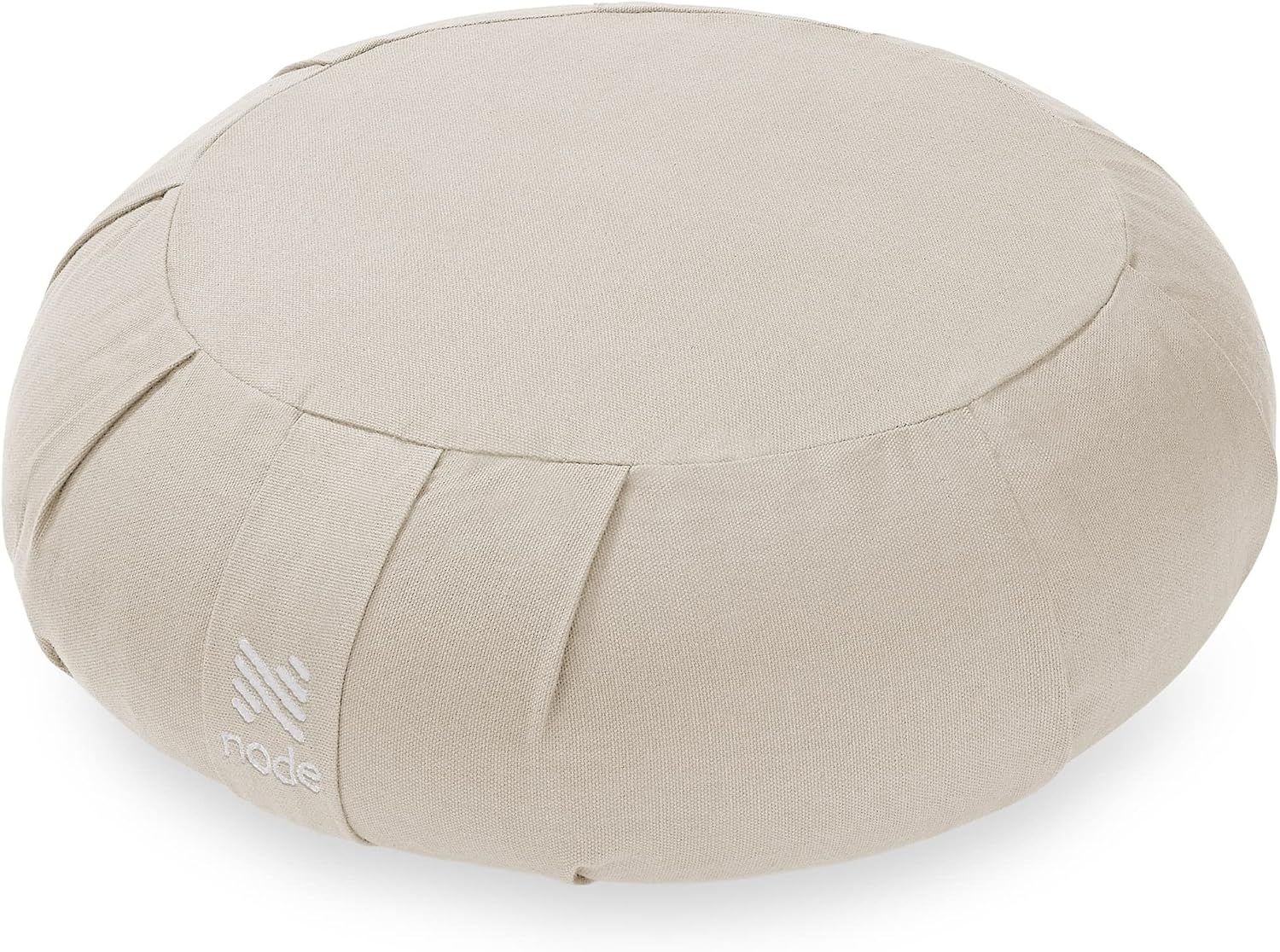
The Node Fitness Zafu is a classic round meditation cushion built with a breathable cotton exterior and a firm buckwheat hull filling that provides consistent support session after session. It follows the traditional zafu form closely — compact, stable, and designed specifically for floor-based seated practice. The cotton fabric handles regular use well and the cushion retains its height reliably, making it a solid choice for anyone building a consistent sitting routine.
- Traditional zafu design with firm buckwheat support
- Breathable cotton cover holds up well with daily use
- Compact and straightforward — no excess bulk
- Smaller surface area may feel restrictive for practitioners with wider hips or longer thighs
Best for: Traditional meditation practice and anyone who prefers a classic, unpretentious cushion that simply does its job.
Waterglider Zabuton Meditation Cushion
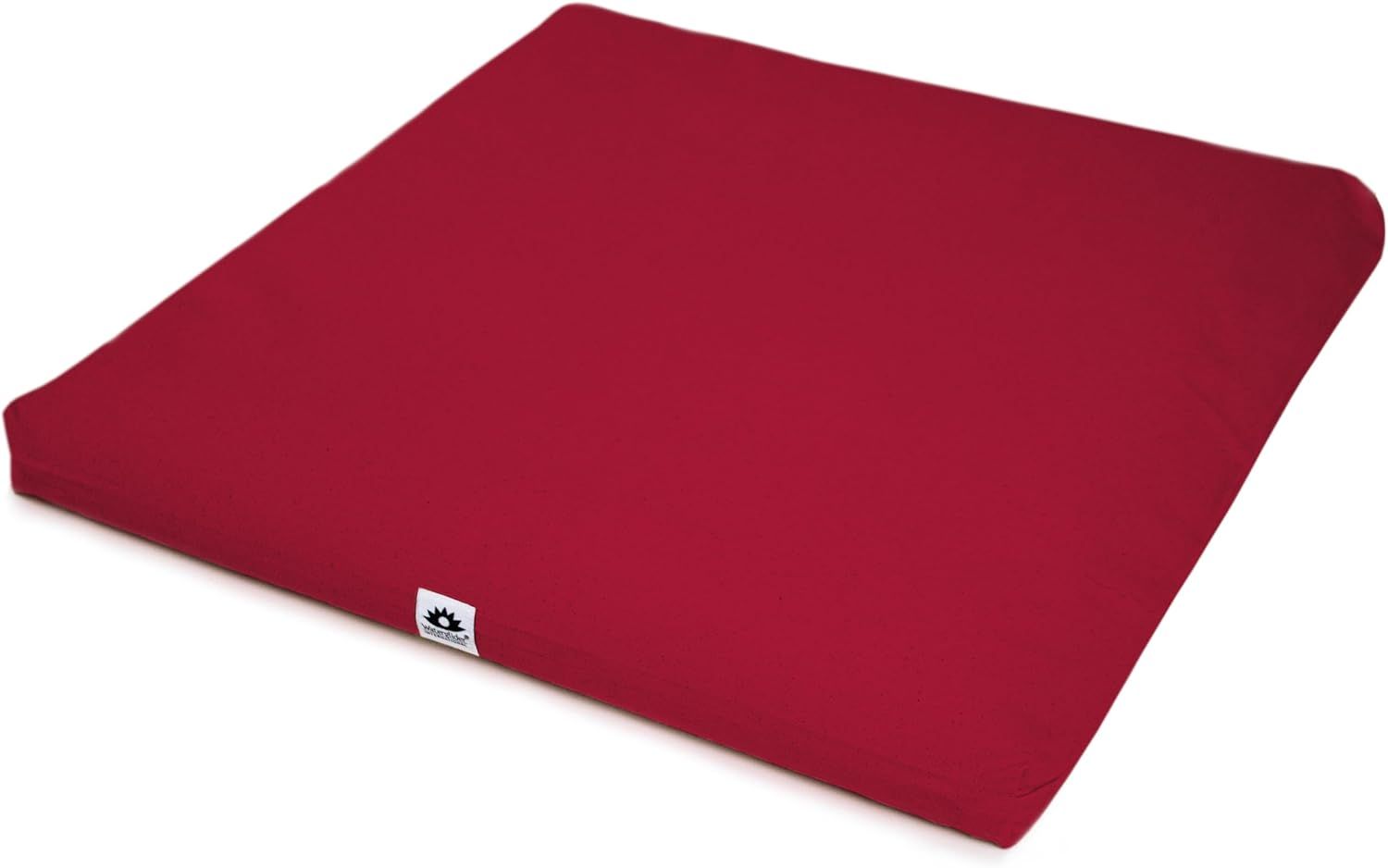
The Waterglider Zabuton is a flat, rectangular floor cushion for meditation designed to protect the knees, ankles, and shins against hard surfaces during seated meditation. Where a zafu lifts the hips, the zabuton protects the points of contact between the legs and the floor — a distinction that matters significantly during longer sits. The Waterglider version uses an adjustable buckwheat fill inside a removable liner, allowing the practitioner to customize thickness and firmness. It works best paired with a zafu, and together the two create a complete seated meditation setup.
- Thick floor padding protects knees, ankles, and shins effectively
- Adjustable fill and removable liner for customized comfort
- Wider base supports alignment across sitting positions
- Designed to be used alongside a zafu rather than as a standalone cushion
Best for: Floor meditation comfort, particularly for practitioners who sit for longer periods or have sensitive knees and ankles.
Quiet Mind – Meditation Cushion
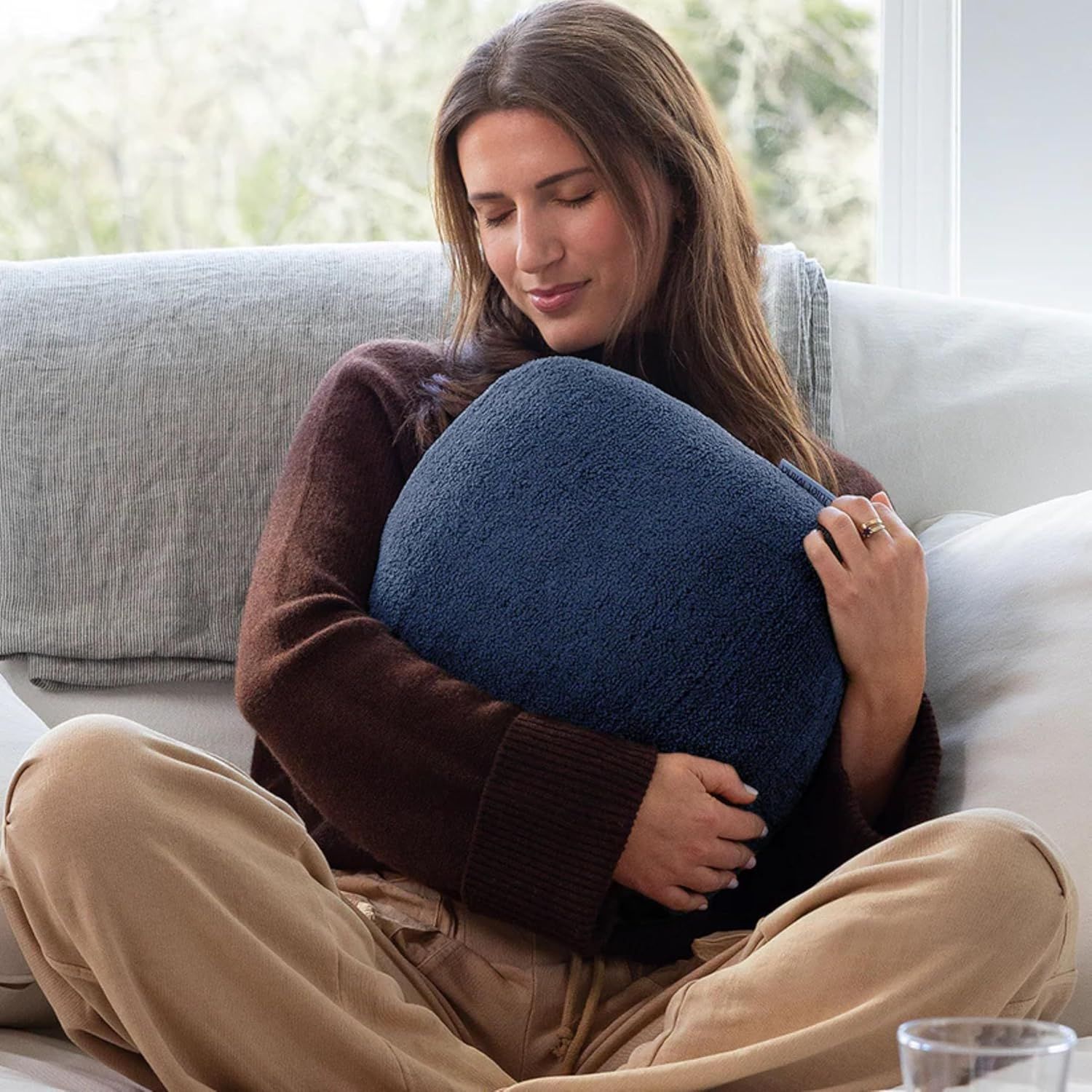
The Quiet Mind cushion takes a more modern approach to meditation seat cushion design — softer foam filling, a rounded ergonomic shape, and a clean aesthetic that fits naturally into a home environment without looking like equipment. It's lighter than buckwheat options and noticeably easier to carry between rooms or pack for travel. The foam provides enough lift for beginners to feel the postural benefit without the firmness that some find uncomfortable when starting out. It's a cushion that lowers the barrier to starting a practice, which is its clearest strength.
- Modern ergonomic design with soft foam filling — comfortable from the first session
- Lightweight and easy to move or travel with
- Clean aesthetic that works well in home meditation spaces
- Foam compresses more over time than buckwheat, offering less long-term postural support
Best for: Beginners and home meditators who want a comfortable, approachable meditation cushion for beginners without committing to a more traditional setup.
How to Sit Properly on a Meditation Cushion
Getting the cushion right is only half of it. How you position yourself on it determines whether the support actually works.
Position and Leg Placement
Small adjustments here make a significant difference in how the cushion actually supports you:
- Sit toward the front third of the cushion, not the center — too far back flattens the pelvis
- For leg position, the Burmese position (both legs resting flat on the floor in front of each other) is the most accessible starting point and places the least strain on the knees
- Both knees should rest lower than the hips — if they don't, try a taller cushion or remove less filling
Spine, Shoulders, and Breath
Once positioned, work upward from the pelvis:
- Let the pelvis settle into its natural forward tilt — the cushion creates this, don't force it
- Lengthen through the crown of the head — tall but not tense, stacked rather than braced
- Drop the shoulders away from the ears, soften the jaw, rest the hands on the knees or thighs
- Check the breath: if it feels shallow or restricted, adjust the pelvis slightly forward — a well-supported sit should make breathing feel easy without effort
Frequently Asked Questions
What is the best meditation cushion for beginners?
For most beginners, the Quiet Mind cushion is the most accessible starting point — softer foam, lighter weight, and a forgiving shape that makes the first few sessions more comfortable. If you want something more supportive from the start, the Node Fitness Zafu or Cosmic Cushion both offer firm buckwheat support that will serve you well as your practice develops. Note: you'll often see "meditation pillow" and "meditation cushion" used interchangeably — they refer to the same category of product.
What is the difference between a zafu and a zabuton?
A zafu goes under your seat and elevates the hips. A zabuton is the flat mat beneath the zafu that cushions the knees, ankles, and shins against the floor. They serve different purposes and work best together. If you can only choose one, start with a zafu and add a zabuton when longer sessions start making your knees or ankles uncomfortable.
Are buckwheat meditation cushions better than foam?
For regular use, yes. Buckwheat hulls conform to the body, hold their loft over time, and offer a firmer, more stable base for spinal alignment. A buckwheat meditation cushion is also adjustable via a zippered liner. Foam is lighter and softer — better for beginners or occasional use — but compresses over time and offers less long-term postural support.
How high should a meditation cushion be?
Most standard cushions sit between 5 and 7 inches, which works for the majority of practitioners. The right height places your hips slightly above your knees so the pelvis tilts forward without strain. If your knees sit higher than your hips, you need more height. A buckwheat fill cushion with a removable liner lets you adjust until it feels right.
Find the Right Support for Your Practice
The best meditation cushion is the one that removes physical discomfort from the equation so your attention can go where it's supposed to. For beginners, the Quiet Mind cushion lowers the barrier without sacrificing the postural benefit. For daily practitioners who want something that holds up over years of use, the Cosmic Cushion or Node Fitness Zafu offer the firm buckwheat support that serious practice calls for. And if knee or ankle discomfort is cutting your sessions short, the Waterglider Zabuton is likely the missing piece.
Explore more meditation essentials and wellness products on Holisteek to support your practice from the ground up.


Romina Ricca
Yoga and Meditation Teacher Certified in Dynamic Yoga, Therapeutic Yoga, and Surya Vinyasa, with deep expertise in Meditation and Mindfulness practices. Founder and Director of Ser Presente. I help individuals integrate mindfulness and breathwork into their daily routines, focusing on reducing stress, enhancing focus, and alleviating anxiety.