Wellness Retreats – National
Published:
How to Choose the Best Wellness Retreat in the US (2026 Guide)
best wellness retreats in the US
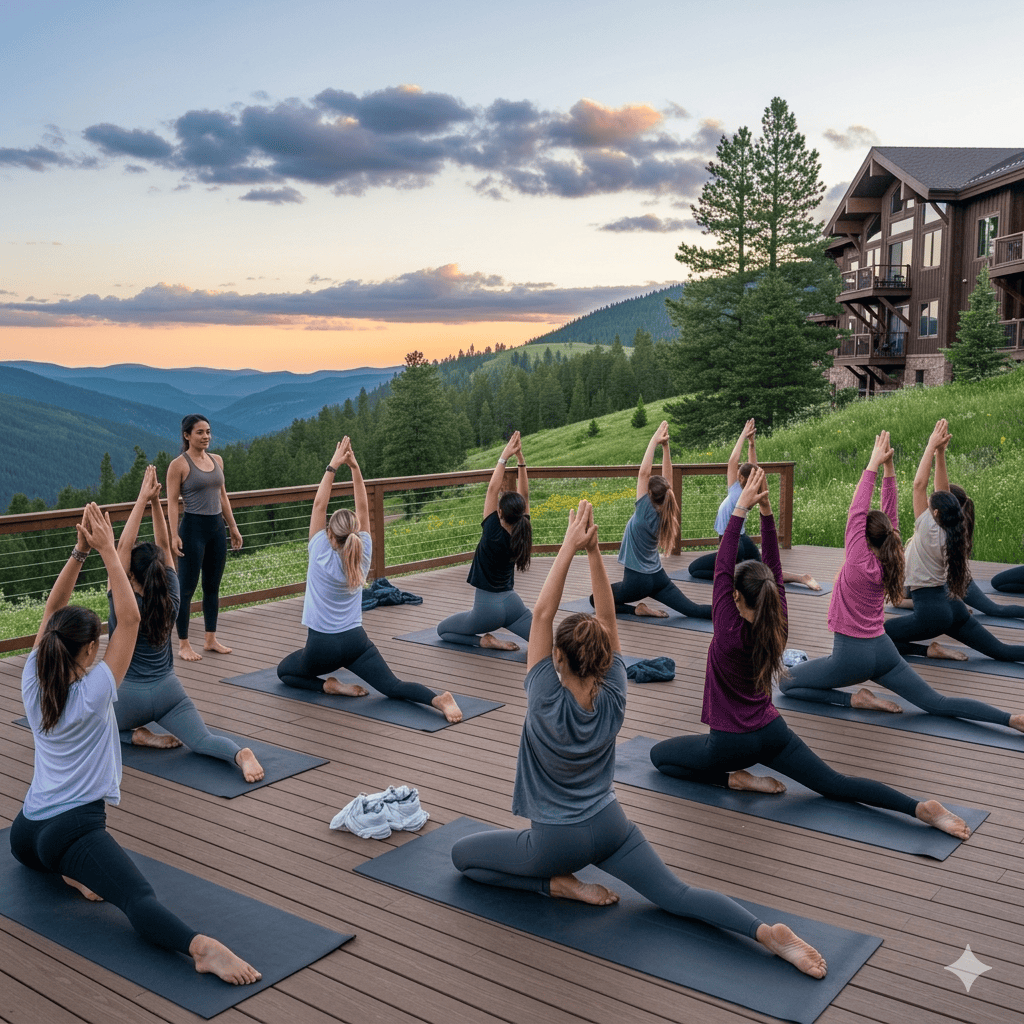
Table of Contents
Searching for the best wellness retreats in the US can feel overwhelming. From luxury wellness resorts to holistic programs and spa-focused escapes, every option claims to be top-rated. But there is no single “best” retreat. The right choice depends on what you want to improve — stress levels, sleep, fitness, mindset, or overall reset. Some travelers prioritize high-end accommodations and personalized services. Others look for structured programming, smaller group settings, or nature-based immersion. Instead of relying on generic “top wellness retreats USA” lists, it’s more effective to compare retreat types, inclusions, and destinations based on your goals. This guide breaks down what to look for, how to evaluate options, and how to narrow your search. By the end, you’ll have a clear framework to choose confidently.
Explore wellness retreats across the USA on Holisteek.
What Does “Best Wellness Retreat” Really Mean?
When people search for best rated wellness retreats, they’re usually looking for proof — reviews, rankings, or luxury labels. But “best” varies from person to person. A high-end wellness resort in California may be ideal for comfort and spa services, while a smaller retreat center in Colorado may offer stronger programming and deeper focus. To evaluate wellness resorts USA effectively, focus on four practical factors: Experienced retreat operators structure pricing, programming, and group size intentionally. These elements are measurable — and comparable.
1. Program Structure
Review the daily schedule. Is it clearly defined? Does it balance activity and downtime? Strong retreats outline exactly what you’ll do each day — not just broad themes like “rejuvenation.”
2. Instructor Credentials
Experienced facilitators make a measurable difference. Look for transparent bios, certifications, and clearly defined teaching styles.
3. Setting and Accommodation
Environment matters. Decide whether you prefer:
- Desert, beach, mountains, or countryside
- Resort-style comfort or retreat center simplicity
- Private rooms or shared lodging
The setting should support your goal — rest, focus, or active recovery.
4. What’s Actually Included
Not all packages are equal. Before booking, confirm:
- Meals and dietary customization
- Workshops vs. add-on treatments
- Airport transfers
- Group size
- Cancellation policy
The “best” retreat is the one that aligns with your priorities and budget — without unclear upgrades. Define your goal first. Then compare options based on structure, leadership, environment, and inclusions. That’s how you narrow the field and choose confidently.
Types of Wellness Retreats in the US
Not all wellness retreats offer the same experience. In the US, programs vary widely in format, structure, price point, and focus. Before comparing destinations, it’s important to understand the main categories. Here’s how most best wellness retreats in the US searches break down in practice.
Luxury Wellness Resorts
Luxury wellness retreats in the US typically operate within high-end resorts or dedicated wellness properties. These programs combine structured activities with premium hospitality. What to expect:
- Upscale accommodations (private suites, resort amenities)
- High staff-to-guest ratio
- On-site spa services
- Personalized wellness consultations
- Chef-prepared meals with dietary customization
These are often positioned as health and wellness resorts in the US, blending spa, fitness, nutrition, and recovery in one location.
Best for:
- Professionals seeking comfort and structure
- Travelers who want privacy and convenience
- Shorter stays with measurable outcomes
Keep in mind: luxury does not automatically mean deeper programming. Review the daily schedule carefully to ensure substance matches the price. In Arizona, properties such as L’Auberge de Sedona integrate guided meditation, spa programming, and nature-based experiences within a resort environment, combining structured wellness with high-end accommodation.
All-Inclusive Wellness Retreats
All-inclusive wellness retreats in the US focus on clarity and cost transparency. Most core components are bundled into one price.
Typically included:
- Accommodation
- Daily classes or workshops
- Meals
- Group sessions
What varies:
- Spa treatments (often extra)
- Airport transfers
- Private coaching sessions
Always verify:
- Exact number of sessions per day
- Group size
- Whether specialized services are add-ons
All-inclusive formats reduce financial uncertainty. They are often strong options for first-time retreat participants who want structure without planning multiple expenses separately.
Holistic & Transformational Retreats
Holistic wellness retreats in the US emphasize integrative approaches — physical, emotional, and mental.
Common elements:
- Meditation and mindfulness
- Breathwork
- Emotional processing workshops
- Nature immersion
- Multi-disciplinary facilitators
These programs tend to run in smaller groups and may feel more immersive than resort-based retreats. They often focus on burnout recovery, life transitions, or personal reset rather than spa relaxation.
Best for:
- Individuals seeking depth over luxury
- Participants open to structured group work
- Longer-format retreats (4–7+ days)
Review facilitator backgrounds closely. Quality varies significantly in this category.
Smaller-format programs such as The Wright Place Private Pilates Retreats focus on movement-based reset, combining mat Pilates, guided sessions, and structured daily itineraries within an intimate setting.
Spa & Relaxation Retreats
Spa retreats in the US prioritize recovery, relaxation, and stress reduction.
You’ll typically see:
- Massage and bodywork
- Hydrotherapy circuits
- Gentle movement classes
- Flexible schedules
These retreats are often located within established wellness resorts in the US and may offer weekend formats.
Best for:
- Short-term reset
- Physical relaxation
- Low-intensity programming
They are ideal if your goal is rest rather than deep emotional or behavioral change.
Coastal spa programs like The Spa at Terranea in Rancho Palos Verdes, California, emphasize restorative treatments, hydrotherapy circuits, and flexible scheduling within a resort environment, making them suitable for short-format stress recovery.
In Sedona, properties such as Amara Resort and Spa combine spa services, fitness amenities, and guided wellness experiences within a scenic red rock setting, appealing to travelers seeking structured relaxation in a resort environment.
Destination-Based Wellness Retreats
Many travelers choose retreats based on location. Certain wellness retreat destinations in the US consistently attract demand due to climate and setting.
Conceptually, popular states include:
- Arizona – desert landscapes, dry climate, longevity and performance program
- California – coastal and mountain settings, strong yoga and mindfulness communities
- Florida – beach-based retreats and resort-style wellness
- Colorado – mountain immersion and nature-focused programming
In Northern California, retreat centers such as Hummingbird Valley Retreat Center provide small-group workshops and integrative programming within a mountain setting, supporting immersive and nature-forward formats.
When choosing by destination, consider:
- Season and weather
- Accessibility (flight + transfer time)
- Local culture and retreat density
Location directly impacts your experience. Climate, altitude, and setting directly impact daily programming and recovery.
Start by choosing the category that fits your goal. Instead of searching broadly for “top wellness retreats USA,” narrow your search by format first — then evaluate specific programs.
Wellness Retreat Trends for 2026
Searches for wellness retreats 2026 show a clear shift in what travelers expect. The focus is moving beyond relaxation toward measurable outcomes, structured programming, and personalized support.
Here are the trends shaping wellness retreats across the US.
Longevity-Focused Programming
Longevity is becoming central to many US wellness retreats. Programs increasingly include:
- Functional fitness and mobility work
- Sleep optimization workshops
- Nutrition education
- Stress physiology sessions
- Recovery protocols (cold exposure, sauna, contrast therapy)
Rather than offering generic yoga and spa schedules, retreats are building structured frameworks around long-term health and performance.
Travelers are looking for retreats that provide tools they can apply at home — not just a temporary reset.
Integrative clinics such as Greeting Health MD in Santa Cruz reflect the growing overlap between retreat programming and medical-informed wellness, incorporating functional medicine perspectives into broader lifestyle interventions.
Burnout Recovery and Nervous System Reset
Stress recovery remains one of the strongest drivers behind bookings. Many top wellness retreats USA now design programs specifically around:
- Nervous system regulation
- Digital overload recovery
- Guided mindfulness sessions
- Structured downtime
- Sleep-focused routines
This is particularly relevant for professionals seeking short-format resets (3–5 days) with clear daily structure.
Retreats that clearly outline how they address burnout tend to outperform vague “relax and recharge” messaging.
Digital Detox Immersion
More US travelers are intentionally choosing low-tech environments. Digital detox formats now commonly include:
- Limited or no phone access
- Structured offline activities
- Nature immersion
- Scheduled quiet hours
This trend is especially strong in mountain, desert, and coastal destinations where environment supports disconnection.
Clear policies matter. If digital boundaries are part of your goal, confirm how strictly they are enforced.
Nature-Based Experiences
Location is increasingly part of the program design. Many wellness retreat destinations USA integrate:
- Guided hikes
- Outdoor meditation
- Forest immersion
- Ocean-based movement
- Desert or mountain recovery sessions
Nature is no longer just a backdrop — it’s used intentionally to support recovery and focus.
Personalized Wellness Journeys
Another shift in wellness retreats in 2026 is personalization. Many programs now offer:
- Pre-retreat assessments
- Goal-setting consultations
- Small group formats
- Optional one-on-one coaching
- This trend is especially visible in higher-end wellness resorts USA, where guest-to-staff ratios allow more individualized attention.
- Travelers increasingly expect tailored experiences rather than standardized group schedules.
If you’re comparing options, look for retreats that clearly define their focus and structure. The strongest programs communicate outcomes, daily flow, and participant expectations upfront.
How to Compare Wellness Retreats Before Booking
Once you’ve narrowed down the type of retreat you want, the next step is structured comparison. Many travelers default to reviews or rankings, but the most reliable way to evaluate the best wellness retreats in the US is to use a consistent checklist.
Here’s how to compare options objectively before committing.
1. Budget Range
Start with total cost — not just the headline price.
Confirm:
- What is included (meals, workshops, treatments)?
- Are spa services extra?
- Are airport transfers included?
- Are there service fees or taxes added later?
Luxury wellness resorts and all-inclusive wellness retreats in the US can vary widely in what “inclusive” actually means. Always calculate the real total cost before comparing programs.
2. Duration and Schedule Structure
Retreats typically range from weekend (2–3 nights) to 7+ days.
Review:
- Daily start and end times
- Balance between structured sessions and downtime
- Intensity level (active vs restorative)
A strong retreat outlines its schedule clearly. Vague descriptions often signal inconsistent programming.
3. Solo vs Group Format
Decide what environment supports your goal.
- Smaller groups (8–15 participants) often allow more personal attention.
- Larger resort-based retreats may offer broader amenities but less individualized guidance.
If your goal is emotional processing or structured change, group size matters.
4. Instructor Credentials
Facilitator experience directly impacts quality.
Before booking, review:
- Professional background
- Certifications or training
- Years of experience
- Teaching philosophy
This is especially important for holistic wellness retreats in the US or transformational formats that involve emotional or mindset work.
5. Accommodation Standards
Comfort level influences overall experience.
Confirm:
- Private vs shared rooms
- Bathroom arrangements
- Air conditioning or heating (especially in desert or mountain destinations)
- Resort-style amenities vs retreat center simplicity
Not all wellness resorts in the US offer the same level of accommodation. Align expectations with budget.
6. Daily Programming Depth
Look beyond buzzwords.
Does the retreat:
- Provide measurable takeaways?
- Offer educational components?
- Include actionable tools you can apply afterward?
The strongest programs combine experience with practical frameworks.
7. Cancellation and Flexibility
Before paying a deposit, verify:
- Cancellation policy
- Rescheduling options
- Minimum participant requirements
- Refund timelines
Policies vary significantly, particularly for wellness retreats in 2026 booked months in advance.
A Simple Comparison Framework
When reviewing options, score each retreat across these categories:
- Program clarity
- Instructor credibility
- Inclusion transparency
- Accommodation fit
- Price alignment
- Location suitability
This structured approach makes it easier to filter marketing language and focus on real value.
Browse wellness retreats in the US on Holisteek.
Questions to Ask Before You Book
Before committing to one of the best wellness retreats in the US, ask direct questions. Clear answers reduce surprises and help you evaluate whether the program truly fits your goals.
Here are the key questions experienced retreat travelers review before booking.
What Exactly Is Included in the Retreat Package?
Do not rely on general descriptions.
Confirm:
- Number of daily sessions
- Types of classes or workshops
- Spa treatments included vs add-on
- Meals and dietary accommodations
- Airport transfers
Even among all inclusive wellness retreats in US, inclusions vary. Ask for specifics.
How Many Participants Are in Each Group?
Group size directly affects experience.
Smaller groups (often 8–15 participants) typically offer:
- More instructor interaction
- Greater schedule flexibility
- Stronger group cohesion
Larger wellness resorts may host 20–40+ participants at once. This may suit social travelers but may not support deep individual focus.
Is the Retreat Beginner-Friendly?
Not all programs are designed for first-time participants.
Clarify:
- Required experience level (yoga, meditation, fitness)
- Physical intensity expectations
- Emotional depth of workshops
- Daily time commitment
Many best rated wellness retreats clearly state whether they accommodate beginners.
Are Meals Customized?
Nutrition is often a core component of health and wellness resorts in US.
Ask:
- Are meals plant-based, omnivore, or specialized?
- Are allergies and restrictions accommodated?
- Are there structured nutrition sessions?
Food quality and flexibility can significantly impact overall experience.
What Is the Daily Schedule Like?
Request a sample schedule.
Look for:
- Clear structure
- Balanced pacing
- Adequate rest periods
- Optional vs mandatory sessions
Strong programs outline their schedule in detail.
What Is the Cancellation Policy?
Especially for wellness retreats in 2026, booking months in advance requires clarity.
Verify:
- Refund timeline
- Transferability to future dates
- Minimum participant thresholds
- Weather-related policies (for outdoor destinations)
Transparent policies indicate professional operations.
Is Transportation Included?
Some retreats are located in remote wellness retreat destinations USA.
Confirm:
- Nearest airport
- Shuttle availability
- Travel time from airport to retreat center
- Additional transportation costs
Accessibility affects total trip cost and planning.
Clear communication is a sign of quality. Retreats that provide detailed answers upfront are typically more organized and professionally managed.
Explore Wellness Retreats Across the US
Once you’ve defined your goals and narrowed your preferred retreat type, the final step is comparison. Instead of relying on scattered search results, use structured filters to evaluate options by location, duration, format, and price.
Across the US, wellness retreats range from desert-based longevity programs to coastal spa resorts and mountain immersion experiences. The strongest programs clearly outline:
- Daily schedule and structure
- Instructor background
- Group size
- Accommodation type
- What’s included in the package
If you’re looking for luxury wellness retreats in the US, holistic programs, or shorter spa-focused resets, start by filtering by category. It makes comparison faster and more precise.
Location also plays a significant role. Climate, accessibility, and seasonal demand vary by state. Arizona and California offer strong year-round programming. Colorado supports nature-based formats. Florida combines resort comfort with beach settings. Each environment shapes the retreat experience differently.
Instead of searching broadly for “top wellness retreats USA,” compare real options based on:
- Program focus
- Budget range
- Stay length
- Accommodation standards
- Cancellation flexibility
Browse and compare wellness retreats on Holisteek. Use filters to narrow the field and select a retreat that aligns with your goals for 2026.
The right retreat is the one that aligns with your goals.