Anti-Aging Serums for Sensitive Skin (Without the Backfire)


Why Sensitive Skin and Anti-Aging Usually Fight Each Other
The ingredients that actually reverse aging are the same ones that wreck reactive skin. Retinol resurfaces. Vitamin C oxidizes and stings. Strong acids exfoliate whether your skin can handle it or not. The serums that work best on paper are often the ones sensitive skin can't tolerate past week one.
That's the trap. Skip the strong stuff and you're left with a serum that feels nice and does very little. Use it anyway and you trade fine lines for redness, flaking, and a face that's angrier than when you started.
The six serums below split the difference. Every one of them still contains a real anti-aging active, just formulated or buffered in a way that sensitive skin can actually tolerate. No fragrance bombs. No unbuffered acids. No guessing.
How We Chose These Serums
| Criteria | What It Filters Out |
|---|---|
| ✅ 4.3+ star rating | Products with a pattern of irritation complaints, not just bad luck |
| ✅ 300+ reviews | Ratings propped up by a handful of friends and family |
| Criteria | What It Filters Out |
|---|---|
| ✅ Fragrance-free or explicit sensitive skin claim | "Gentle" branding with a fragrance blend buried in the ingredients |
| ✅ No red-flag ingredients | Denatured alcohol, synthetic fragrance, unbuffered high-strength retinol |
What didn't make the cut says as much as what did. Serums with vague "gentle" branding but a fragrance blend buried in the ingredients. Products with barely 100 reviews propped up by a flashy listing. Retinol serums strong enough for tolerant skin but risky for anyone dealing with rosacea, eczema, or reactive patches. If a serum couldn't back up its claims with ingredients and real feedback, it's not here.
The 6 Best Anti-Aging Serums for Sensitive Skin
Best Overall — DRMTLGY Needle-less Serum, $69
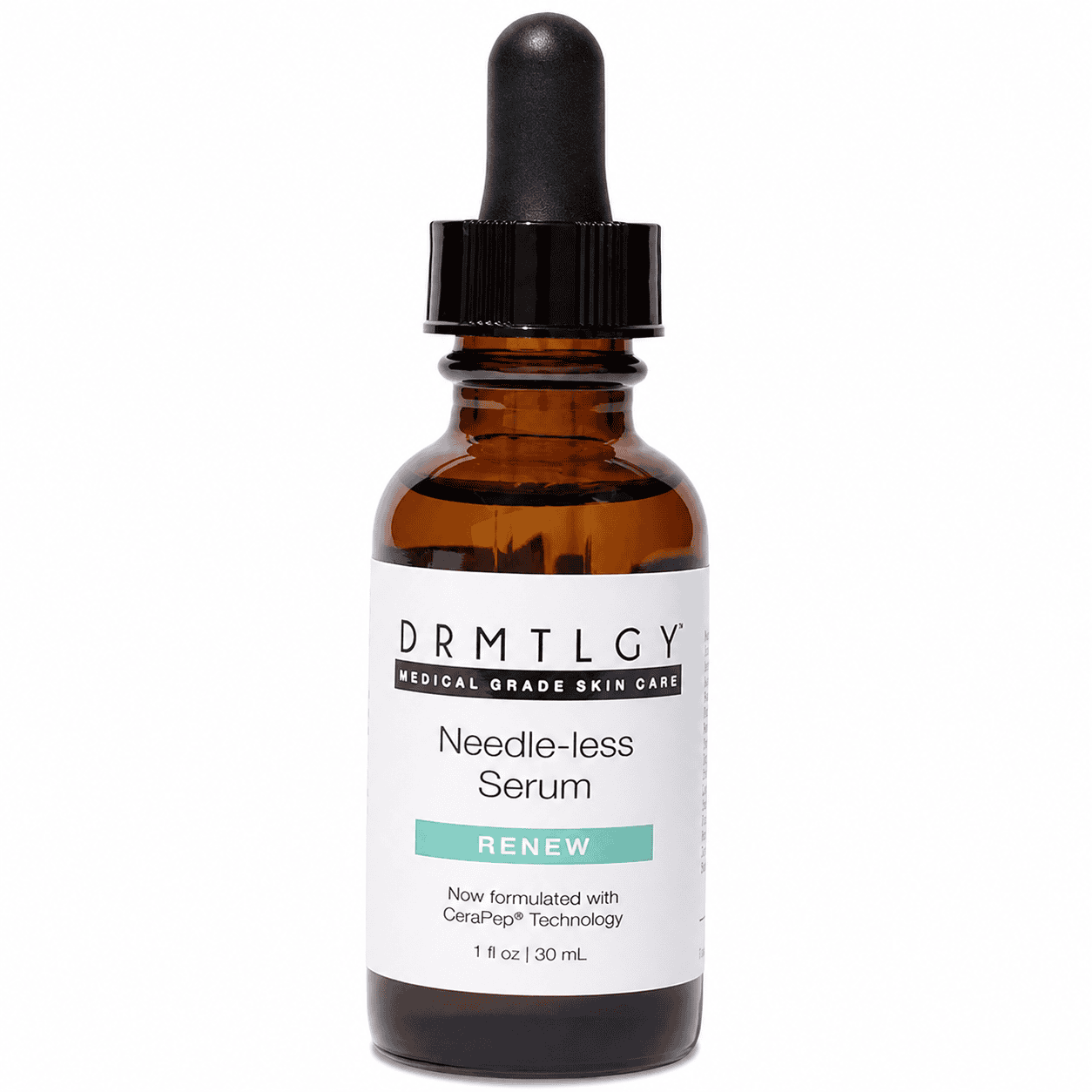
DRMTLGY Needle-less Serum
This one covers the most ground without asking your skin to take a risk. Peptides and ceramides rebuild the skin barrier while niacinamide handles tone and hyaluronic acid keeps things hydrated, all without a single ingredient that tends to trigger reactive skin.
| Active Ingredients | Peptides, ceramides, niacinamide, hyaluronic acid |
|---|---|
| Free From | Fragrance, sulfates, phthalates |
| Skin Type | All, including sensitive |
| Rating | 4.4★ (603 reviews) |
Best Retinol Alternative — Kind Science Firming Serum, $72z
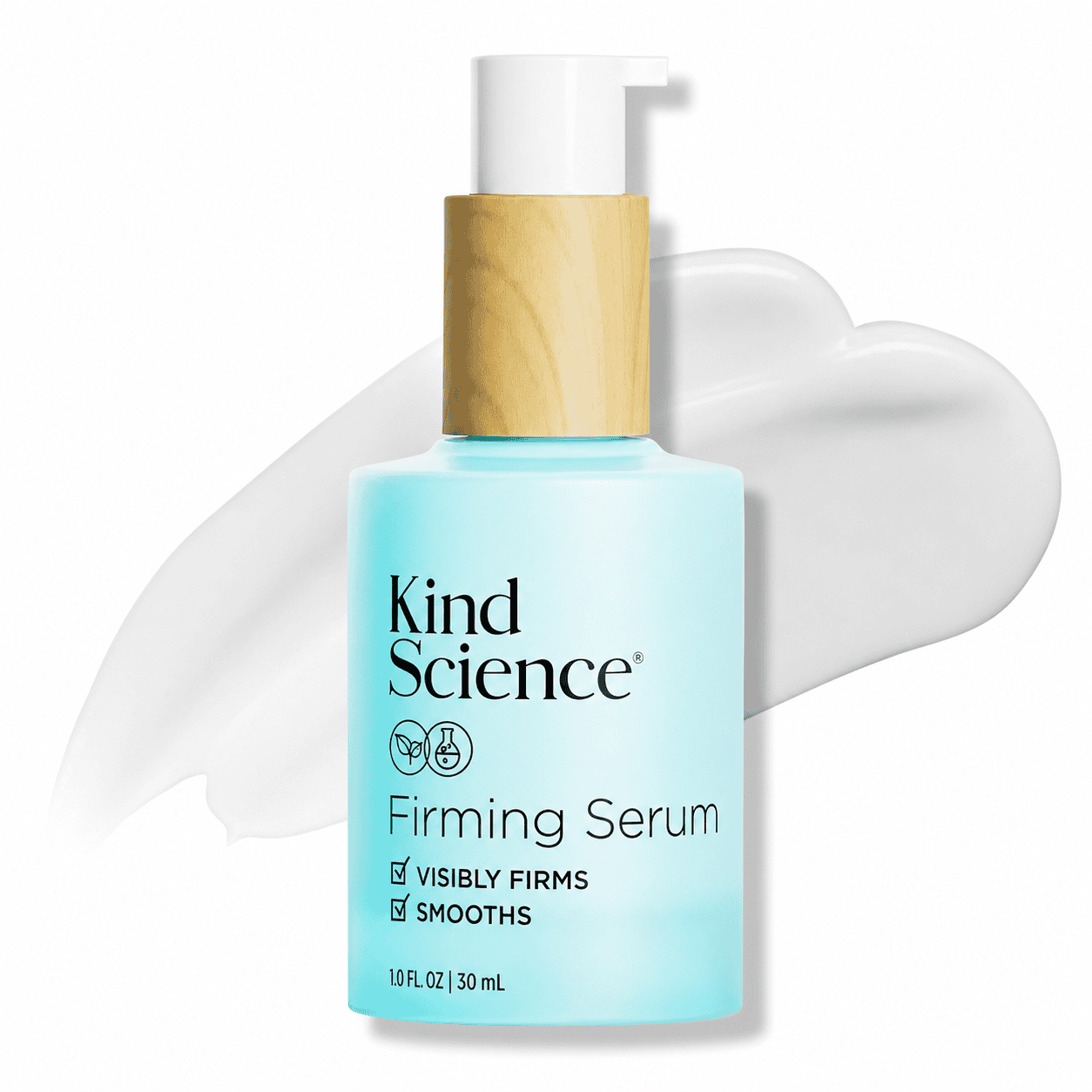
Kind Science Firming Serum
Bakuchiol does the job retinol usually does, nudging cell turnover and softening fine lines, without the peeling, redness, or sun sensitivity that keeps a lot of sensitive skin away from retinol entirely. Peptides back it up for firmness.
| Active Ingredients | Bakuchiol, hyaluronic acid, peptides |
|---|---|
| Free From | Fragrance |
| Skin Type | All, combination, dry, oily, sensitive |
| Rating | 4.3★ (302 reviews) |
Best Vitamin C — Obagi Professional-C Vitamin C Serum, $155
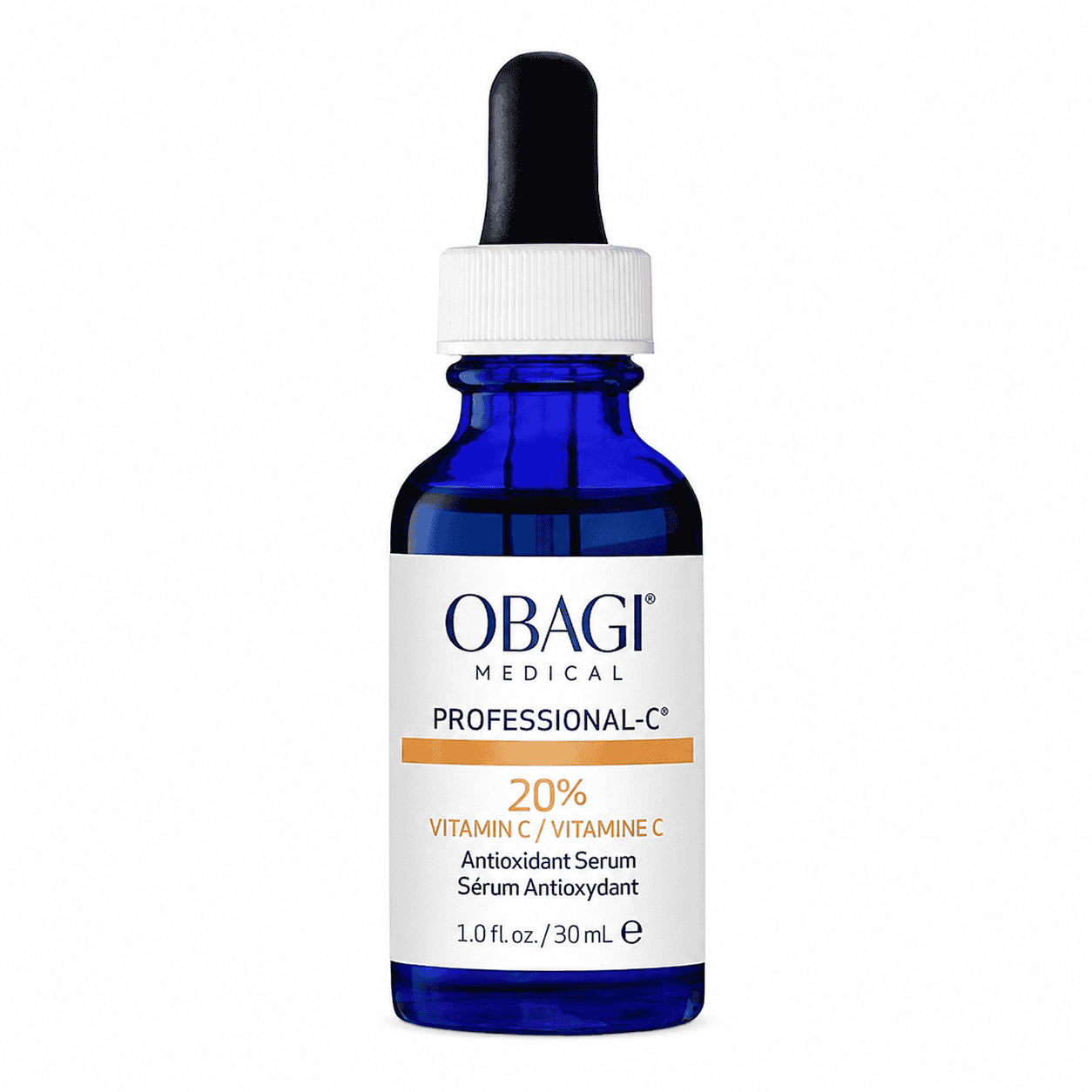
Obagi Professional-C Vitamin C Serum
Most 20% vitamin C serums are too aggressive for reactive skin. This one is formulated specifically to hold that strength while staying wearable, brightening tone and fighting environmental damage without the sting that usually comes with high-concentration vitamin C.
| Active Ingredients | 20% vitamin C, sodium hyaluronate, zinc |
|---|---|
| Free From | Formulated for sensitive skin |
| Skin Type | Sensitive |
| Rating | 4.6★ (2,156 reviews) |
Best for Redness and Reactive Skin — iS Clinical Pro-Heal Serum Advance+, $177
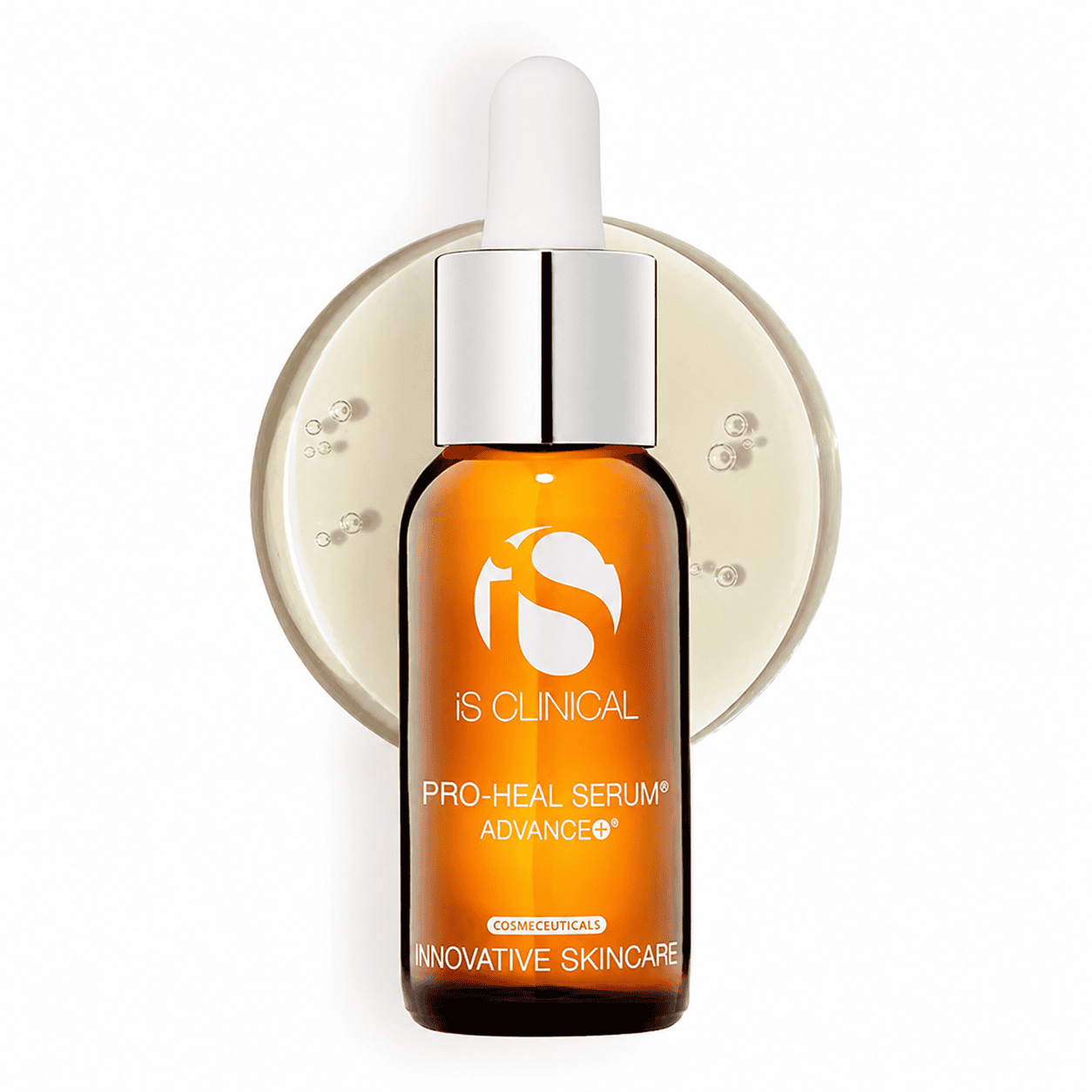
iS Clinical Pro-Heal Serum Advance+
Built with rosacea and reactive skin in mind first, anti-aging second. Vitamin C, E, and A work on fine lines while the formula leans into calming inflammation instead of provoking it, which makes it the pick for skin that flares up more than it forgives.
| Active Ingredients | Vitamin C, E, A, antioxidants |
|---|---|
| Free From | Formulated for redness and inflammation |
| Skin Type | Combination, dry, sensitive |
| Rating | 4.3★ (479 reviews) |
Best Natural / Organic — True Botanicals Chebula Active Serum, $90
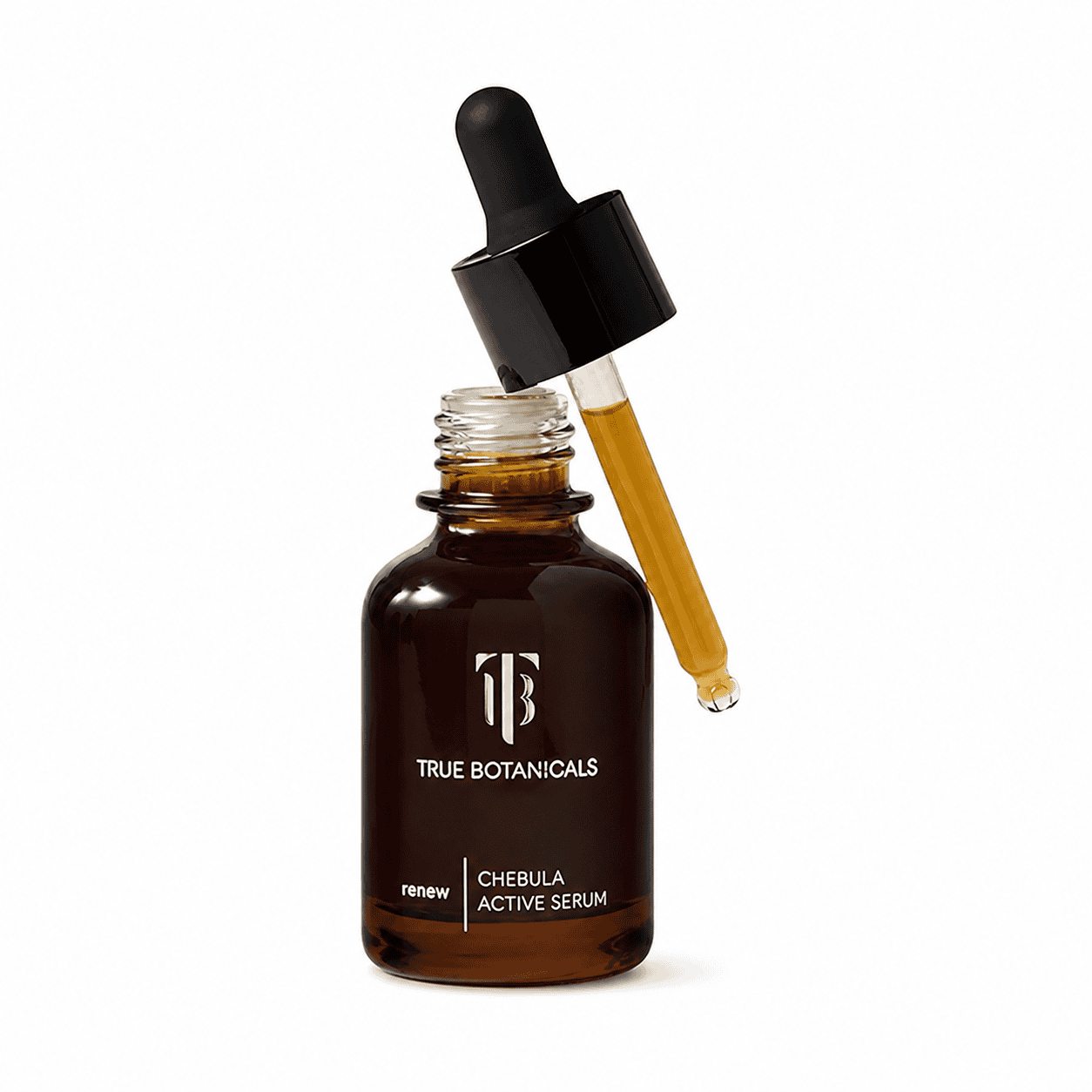
True Botanicals Chebula Active Serum
Certified by the Eczema Association, which is a higher bar than most "natural" labels ever clear. Chebula, an antioxidant used in Ayurvedic skincare for centuries, targets fine lines and dark spots while hyaluronic acid and aloe keep the barrier intact.
| Active Ingredients | Chebula, hyaluronic acid, aloe |
|---|---|
| Free From | Alcohol, chemical additives, parabens, retinol, silicone |
| Skin Type | Hypoallergenic, non-comedogenic, Eczema Association certified |
| Rating | 4.4★ (802 reviews) |
Best for Brightening and Dark Spots — RANAVAT Brightening Saffron Serum, $135
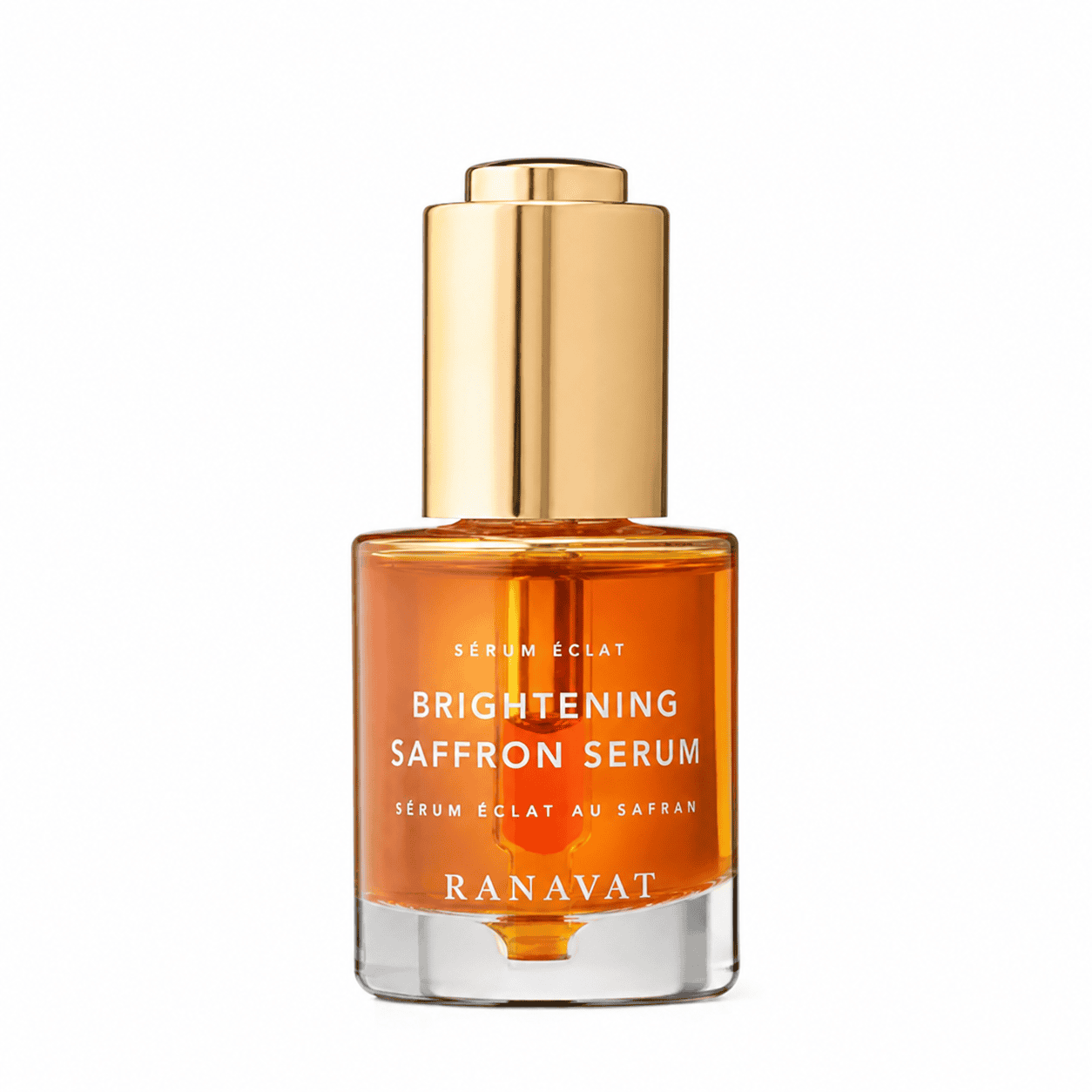
RANAVAT Brightening Saffron Serum
Positioned as a vitamin C alternative for skin that can't handle traditional vitamin C. Saffron and ceramides work on dullness and uneven tone while supporting the barrier instead of stripping it, making it the pick for dark spots without the trade-off.
| Active Ingredients | Saffron, ceramides, vitamin E |
|---|---|
| Free From | Vitamin C alternative formula |
| Skin Type | Dry, normal, oily, sensitive, mature |
| Rating | 4.5★ (295 reviews) |
Quick Comparison
| Product | Price | Key Active | Best For |
|---|---|---|---|
| DRMTLGY Needle-less Serum | $69 | Peptides + ceramides | Overall pick |
| Kind Science Firming Serum | $72 | Bakuchiol | Retinol alternative |
| Obagi Professional-C | $155 | 20% Vitamin C | Brightening + antioxidant |
| iS Clinical Pro-Heal Advance+ | $177 | Vitamin C, E, A | Redness + reactive skin |
| True Botanicals Chebula Active | $90 | Chebula | Natural / organic |
| RANAVAT Brightening Saffron | $135 | Saffron | Dark spots + dullness |
The Ingredients Worth Knowing (and the Ones to Watch For)
Not every anti-aging ingredient treats sensitive skin the same way. Some work quietly in the background. Others pick a fight the moment they touch your face. Here's the breakdown, sorted by how likely each one is to cause trouble.
| 🟢 Generally Well Tolerated | 🟡 Use With Caution |
|---|---|
| Bakuchiol | Unbuffered retinol (high strength) |
| Niacinamide | Unbuffered AHAs and BHAs |
| Peptides | Essential oils |
| Buffered vitamin C (low pH, stabilized) | Synthetic fragrance |
| Ceramides | Denatured alcohol |
| Hyaluronic acid | High-strength vitamin C without buffering |
Bakuchiol earned its reputation as the retinol alternative because it triggers similar cell turnover without the peeling or sun sensitivity. Niacinamide and peptides are close to bulletproof, which is why they show up in nearly every serum on this list. Buffered vitamin C is the version worth trusting: the raw ingredient is naturally acidic and can sting, but a well-formulated serum stabilizes it so it stays effective without stripping the skin.
On the other side, unbuffered retinol is the one that trips people up most. It works, but full-strength retinol without any buffering system is a gamble for reactive skin, and the peeling that follows isn't a sign it's "working harder." It's a sign the formulation skipped a step. Same logic applies to strong acids and essential oils marketed as "natural" and therefore assumed to be gentle. Natural doesn't mean mild. Poison ivy is natural too.
None of this means avoiding actives altogether. It means reading past the front label and checking where an ingredient sits on this list before it goes anywhere near your face.
How to Build a Sensitive Skin Anti-Aging Routine
Sensitive skin doesn't fail because the products are bad. It fails because too much gets introduced too fast. Here's the order that actually works.
| Step | What to Do |
|---|---|
| 🧪 1. Patch test first | Apply a small amount behind the ear or on the inner arm. Wait 24 to 48 hours before putting it anywhere near your face. |
| 🐢 2. Introduce one active at a time | Never start two new serums in the same week. If something reacts, you won't know which one caused it. |
| 📅 3. Start slow | Two to three times a week for the first two weeks. Build up to daily only if your skin tolerates it without redness or tightness. |
| 🧴 4. Layer correctly | Serum on clean skin, moisturizer on top to lock it in, SPF every morning without exception. Actives break down the skin's defenses temporarily, and SPF is non-negotiable. |
| ⏳ 5. Give it time | Most active ingredients take 4 to 8 weeks to show visible results. Judging a serum at day five is judging it too early. |
The order matters more than the products. A great serum used too aggressively will still cause problems, and a decent one used correctly will usually outperform it. Start with whichever product on this list matches your biggest concern, not all six at once, and give your skin the four to eight weeks it actually needs before deciding whether it's working.
And remember that skin doesn't exist in isolation , chronic stress drives cortisol, which shows up on your face as much as any missed serum. Building a few minutes of daily calm into the routine is part of the regimen, not separate from it. If a short sitting practice helps you get there, one of the best meditation cushions makes it comfortable enough to keep up alongside everything else.
Key Takeaways
The most effective anti-aging actives are also the most likely to irritate sensitive skin, so formulation matters more than the ingredient name alone.
Bakuchiol, niacinamide, peptides, and buffered vitamin C are generally well tolerated. Unbuffered retinol, strong acids, and synthetic fragrance need more caution.
A 4.3+ rating with 300+ reviews is a reliable minimum bar when shopping for sensitive skin products.
Introduce one active at a time, start two to three times a week, and give it 4 to 8 weeks before judging results.
Natural doesn't automatically mean gentle. Always check the ingredient list, not just the label.
FAQ
Get More Wellness Inspiration
Join our community of seekers. Bi-weekly dispatches on holistic science, sustainable living, and hidden wellness gems.
Leila Stanton
Editorial strategist and culture writer covering modern rituals, recovery habits, and the way wellness shapes fashion, travel, and lifestyle stories.
Related Articles
Top Wellness Centers in Los Angeles for Holistic Healing
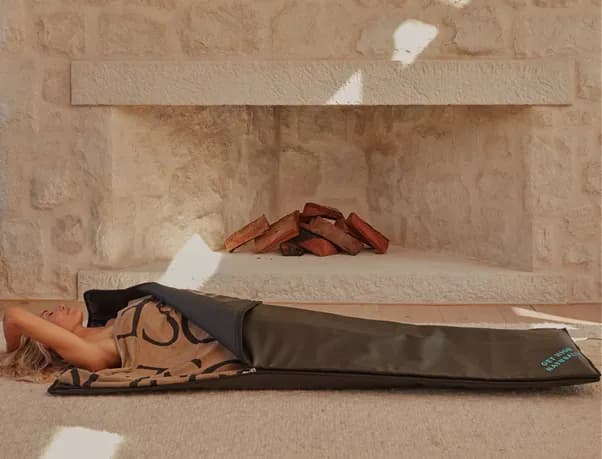
The Best At-Home Wellness Recovery Tools (That Actually Work)
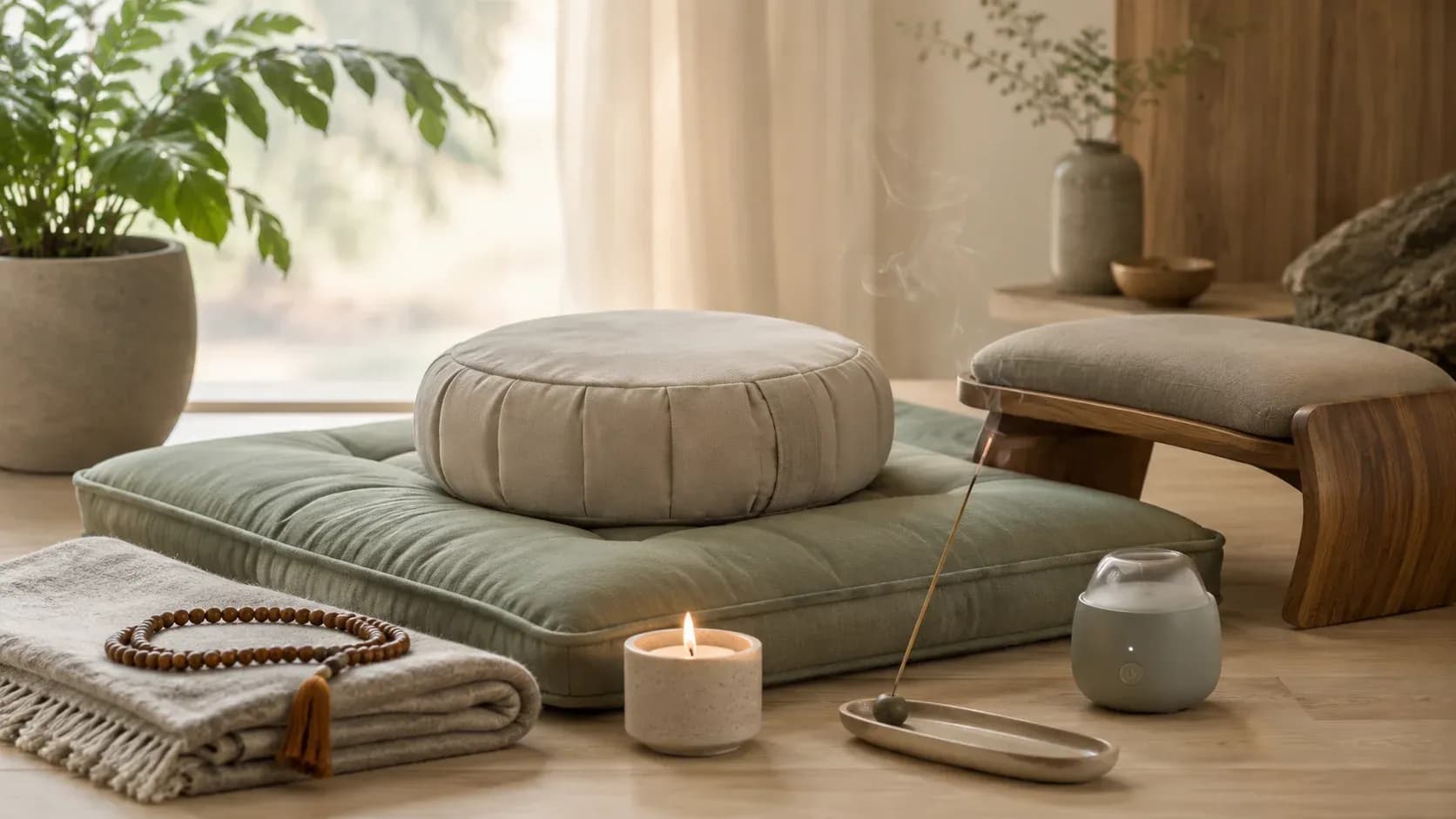
The Best Meditation Cushions and Essentials for a Serious Practice
Why Barcelona’s Hottest Party This Summer Started With Breathwork Instead of Tequila
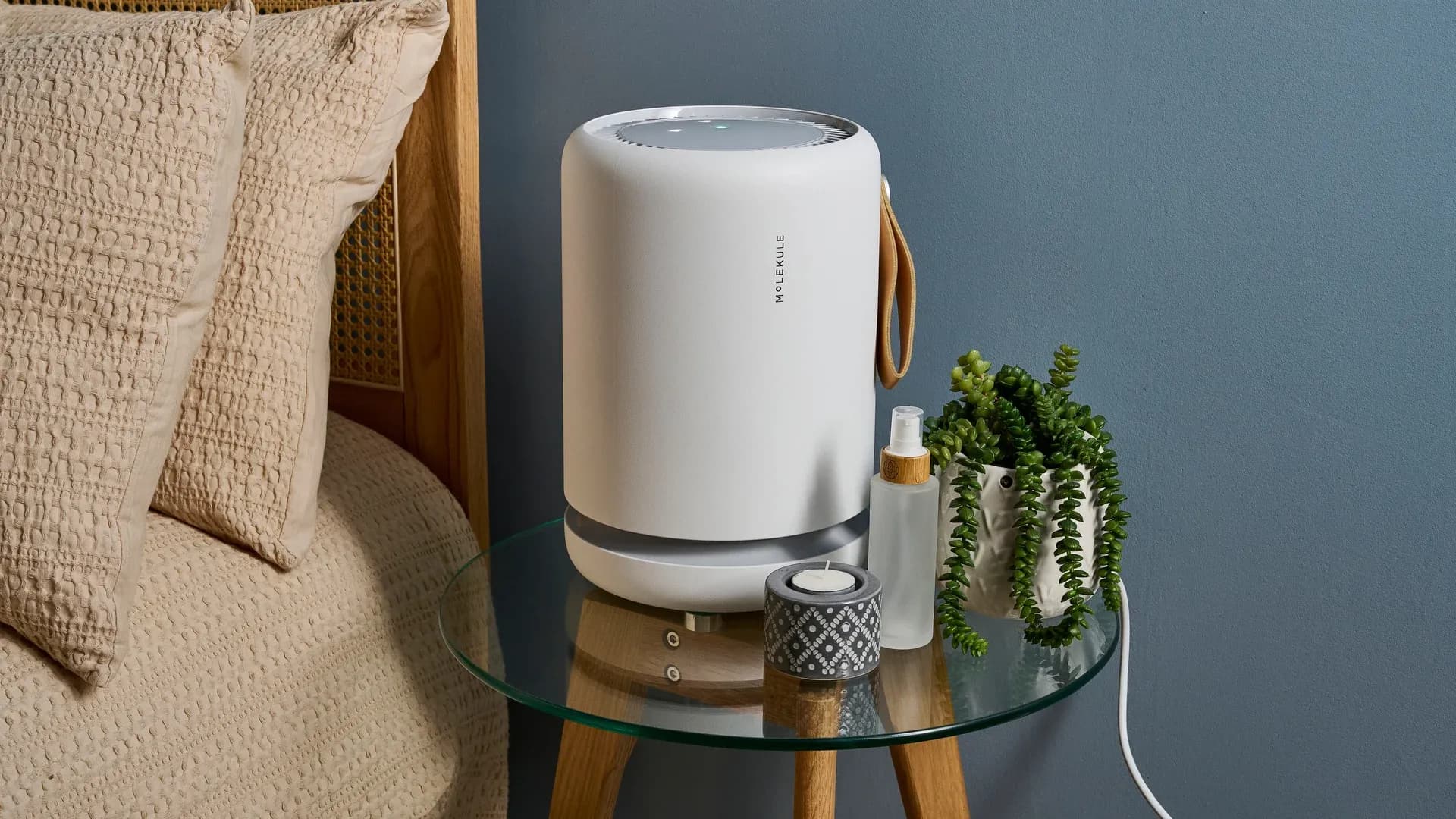
How Air Purifiers Work (And Why Your Home Needs One)

How to Plan a Wellness Retreat Abroad (And Why It's Harder Than You Think)
Top Wellness at Home Trends to Improve Your Well-Being
Precision Wellness: A Smarter Daily Routine

Best Red Light Therapy Panel for Home Wellness